Organic White Tea: The Purest Expression of Tea
- Backyard Brew
- Jan 14
- 4 min read

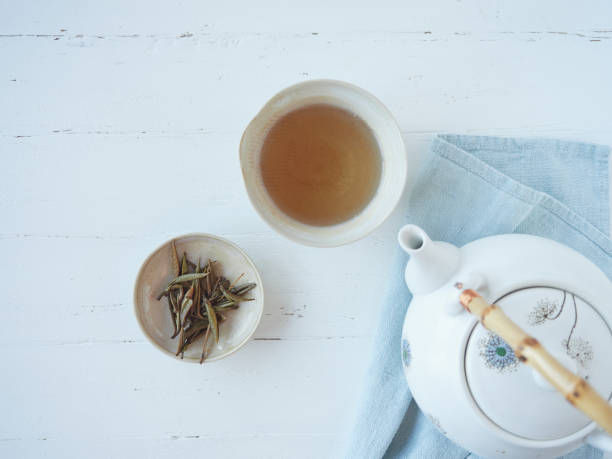
Organic white tea stands as one of the most delicate and sought-after varieties in the tea world, cherished for its minimal processing, subtle sweetness, and exceptional antioxidant content. Made from the youngest buds and leaves of the Camellia sinensis plant and grown without synthetic pesticides or fertilizers, organic white tea preserves the natural purity of the leaf. In the United States, where demand for clean, health-conscious beverages continues to rise, organic white tea offers a gentle, low-caffeine option that feels both luxurious and nourishing. Its pale liquor, floral notes, and velvety mouthfeel make it a favorite for mindful sipping.
The Origins and Tradition of White Tea
White tea originated in China's Fujian Province, with historical records dating back to the Song Dynasty (960–1279 AD). It was initially produced as an imperial tribute, reserved for royalty due to the labor-intensive harvesting and the rarity of the tender buds used. Traditional varieties such as Bai Hao Yin Zhen (Silver Needle) were plucked only during a brief spring window under strict conditions—no dew, clear skies—to ensure maximum purity.
Today, the heart of organic white tea production remains in Fujian, particularly in Fuding and Zhenghe counties, where misty mountains and mild climates create ideal growing conditions. Some organic white teas are now cultivated in Darjeeling (India) and Sri Lanka, but the classic Chinese methods define the category. Organic certification requires natural soil management, biodiversity, and no chemical inputs, resulting in leaves that reflect the true character of the terroir.
Minimal Processing – The Key to Purity
White tea is defined by its minimal intervention:
Plucking — Only the youngest unopened buds (Silver Needle) or bud-plus-one-leaf (White Peony) are hand-picked.
Withering — Leaves are spread indoors or in shade to lose moisture slowly.
Drying — Low heat or sunlight halts oxidation without rolling or firing.
With oxidation levels near zero, the leaves retain their silvery down (fine white hairs) and high concentrations of catechins, amino acids, and natural sweetness. Organic processing avoids any chemical acceleration, preserving the leaf’s inherent qualities and delivering a cleaner, more vibrant cup.
Varieties and Flavor Profiles
Organic white tea offers refined, understated flavors:
Silver Needle (Bai Hao Yin Zhen) — Pure buds; velvety, sweet with honey, floral, and fresh hay notes.
White Peony (Bai Mudan) — Bud plus young leaves; slightly fuller body with melon, peach, or gentle vegetal undertones.
Shoumei — Later pluckings with more leaves; earthier, fruitier character at accessible quality.
Flavored Whites — Naturally scented with rose, lavender, or jasmine for added elegance.
The liquor is pale straw to soft gold, with a clean, lingering sweetness. Organic cultivation often amplifies these nuances, producing brighter aromatics and smoother mouthfeel.
Experience Organic White Tea with Backyard Brew, where our premium selections include pure Silver Needle for classic delicacy, White Lavender Rose combining silky white tea with soothing lavender and rose petals, honeyed Silver Rose elevated by organic rose, and calming Zen Mode—a harmonious white and green blend scented with jasmine and rose for subtle balance. These organically grown and minimally processed teas capture the essence of refinement in every cup.
Health Benefits of Organic White Tea
Organic white tea is often regarded as one of the healthiest teas due to its high antioxidant concentration. Because it undergoes almost no processing, it retains more catechins (especially EGCG) than green, black, or oolong teas. Regular consumption may support:
Skin health and anti-aging by combating free radicals.
Immune function with natural antiviral and antibacterial properties.
Cardiovascular wellness through potential cholesterol management.
Gentle metabolism support with very low caffeine (15–30 mg per cup).
Calm focus thanks to L-theanine.
The organic aspect is particularly valuable: no pesticide residues mean a truly clean cup, ideal for daily wellness routines.
How to Brew Organic White Tea Perfectly
White tea’s delicacy requires gentle handling:
Use 1–2 teaspoons of leaves per 8 oz cup.
Heat fresh water to 160–185°F (never boiling).
Steep 4–7 minutes; longer steeps enhance sweetness.
Re-infuse quality leaves 2–4 times as flavors soften and evolve.
Sip plain to appreciate the subtle nuances. Avoid over-steeping or boiling water, which can introduce bitterness.
Storing Organic White Tea
Protect the leaves’ fragility by storing them in an airtight, opaque container in a cool, dark place away from strong odors. Unlike many teas that fade quickly, high-quality organic white tea can age gracefully for 1–3 years, often developing deeper, more rounded notes while retaining its antioxidant potency.
Conclusion
Organic white tea embodies simplicity, purity, and profound elegance in every pale, fragrant sip. Its minimal processing, delicate flavors, and concentrated antioxidants make it a standout choice for those seeking a gentle yet powerful tea experience. From ancient imperial tributes to modern wellness rituals, organic white tea invites us to slow down and appreciate the beauty of nature’s least-altered leaf. Whether you savor the classic Silver Needle or explore floral-infused varieties, choosing organic ensures the cleanest taste and greatest benefits. Embrace this understated treasure—your next cup may become a moment of quiet luxury and renewal.
FAQs About Organic White Tea
1. What makes white tea “organic”?
It is grown without synthetic pesticides, herbicides, or fertilizers, following certified organic standards that protect soil, water, and biodiversity.
2. How does organic white tea differ from regular white tea?
Organic versions ensure no chemical residues, often resulting in cleaner taste, higher nutrient retention, and better environmental sustainability.
3. How much caffeine does organic white tea contain?
Very low—typically 15–30 mg per cup—offering gentle alertness without jitters.
4. Is organic white tea good for skin health?
Yes—its high antioxidant content, particularly EGCG, may help protect against premature aging and support clearer skin.
5. How many times can organic white tea leaves be re-steeped?
Quality leaves often yield 3–5 flavorful infusions, with sweetness lingering across steeps.
6. What’s the ideal brewing temperature for white tea?
160–185°F (71–85°C) to preserve delicate flavors and avoid bitterness.
7. Can I drink organic white tea every day?
Absolutely—its gentleness and low caffeine make it suitable for daily enjoyment, offering ongoing antioxidant support.


Comments