Why Buying Organic Tea Online Is Worth It
- Backyard Brew
- Nov 26, 2025
- 4 min read

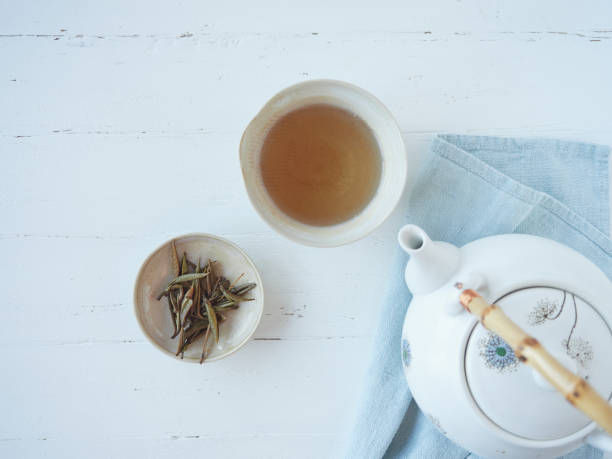
In an age of mass-produced tea bags and questionable farming practices, more drinkers are turning to organic loose-leaf tea purchased directly from specialty online shops. The difference isn’t just taste — it’s health, ethics, transparency, and the joy of discovering teas you’ll never find in a supermarket. Here’s exactly why buying organic tea online has become the smartest move for serious tea lovers.
1. Organic Actually Means Something (When It’s Real)
True organic certification (USDA, EU Organic, JAS, Rainforest Alliance, etc.) prohibits synthetic pesticides, herbicides, and chemical fertilizers. Tea is a leaf you steep and drink — anything sprayed on the plant ends up in your cup. Conventional tea plantations often use chemicals banned in Europe and North America, yet they still appear on grocery shelves.
Organic farms rely on compost, cover crops, natural pest predators, and hand-weeding. The result? Cleaner leaves and cleaner water systems downstream.
2. Freshness That Supermarkets Can’t Touch
Most boxed tea bags sit in warehouses for 12–24 months before reaching shelves. Online organic tea vendors typically roast or pack to order and ship within days. Many list exact harvest and packing dates — spring 2025 first-flush Darjeeling shipped in May tastes dramatically more vibrant than the same tea that’s been oxidizing in a carton since 2023.
3. Direct Relationships = Better Tea and Better Prices
The best online organic tea shops work directly with gardens or cooperatives, cutting out layers of middlemen. That means:
Higher payments to farmers
Access to small-batch and garden-direct lots
Lower markups for you (often cheaper than luxury supermarket brands despite far higher quality)
Explore a wide selection of teas at Backyard Brew online — a roaster-turned-tea-importer that partners directly with regenerative organic gardens in Assam, Nilgiri, and Darjeeling (India), Uji and Kagoshima (Japan), and ancient forest groves in Yunnan (China). Their spring 2025 Shincha and second-flush Muscatel Darjeeling sell out in days because they ship the same week they’re packed.
4. Transparency You Can Actually Verify
Reputable online organic sellers list:
Garden name and location
Elevation and cultivar
Harvest date
Organic certificate number
Sometimes even photos or videos from the farm
Compare that to a typical supermarket box that says “Product of multiple countries.”
5. Flavor That Justifies the Switch
Organic tea grown in living soil with minimal intervention simply tastes better. You’ll notice:
Cleaner, sweeter finishes with no chemical aftertaste
More complex aromatics (think orchid, stone fruit, fresh cream)
Greater difference between flushes and terroirs
A conventionally grown tea might taste “fine.” An organic first-flush Darjeeling from a biodynamic garden can taste like muscat grapes and honeysuckle exploding in slow motion.
6. Health Benefits Without the Toxins
Tea is one of the richest sources of antioxidants (catechins, theaflavins, etc.), but it’s also a known bio-accumulator of heavy metals and pesticide residues when grown conventionally. Studies have found illegal pesticides and lead in popular commercial brands.
Certified organic tea dramatically reduces that risk while preserving the beneficial compounds you’re drinking tea for in the first place.
7. Eco-Friendly Packaging and Carbon Impact
Many online organic tea companies use:
Compostable or recyclable pouches
Minimal or plastic-free packaging
Carbon-offset shipping
Big tea corporations still wrap individual tea bags in plastic-coated envelopes and ship them halfway around the world in massive containers. The math often favors small-batch online vendors.
8. Discovery and Education
Online shops curate collections you’d have to fly to Asia to assemble yourself:
Rare white teas aged in pomelo flowers
Wild purple-bud puerhs
Hand-rolled oolongs oxidized to exact percentages
First-flush greens shaded for 40 days
They also teach you how to brew each one properly — something a box of 100 generic tea bags never does.
9. Convenience Meets Curation
Auto-subscriptions, sample packs, brew guides, and customer chat mean you learn faster and waste less money on teas you don’t love. Returns are usually hassle-free if a tea isn’t to your taste.
Conclusion
Buying organic tea online isn’t a luxury — it’s the logical choice for anyone who cares about flavor, health, ethics, and the environment. You vote with every dollar: support regenerative farms, skip the chemical residues, and drink tea that actually tastes like the place it came from.
The era of stale, anonymous tea bags is over. One click now connects you to living soils, family gardens, and some of the most extraordinary leaves on earth. Your daily cup will never be the same.
FAQs About Buying Organic Tea Online
Q: Is organic tea always more expensive?
A: Per gram of actual leaf, high-quality online organic tea is often cheaper than luxury branded tea bags once you factor in flavor and freshness.
Q: How can I trust an online seller’s organic claim?
A: Look for certificate numbers you can verify on official databases (USDA, EU leaf logo, JAS, etc.) and photos/videos of the actual gardens.
Q: Does organic tea contain caffeine?
A: Yes — caffeine is natural to the tea plant. Organic simply means no synthetic chemicals were used in growing or processing.
Q: How long does organic loose-leaf tea stay fresh?
A: Sealed and stored properly (cool, dark, airtight): greens 12–18 months, oolongs and blacks 2–3 years, puerh improves with age.
Q: Can I recycle the packaging?
A: Most specialty online vendors now use compostable kraft pouches with plant-based liners or fully recyclable tins.
Q: What if I don’t like a tea I ordered?
A: Reputable shops offer satisfaction guarantees or credit toward your next order.


Comments