White Tea Leaves: The Ultimate Subtle Luxury
- Backyard Brew
- Mar 25
- 6 min read

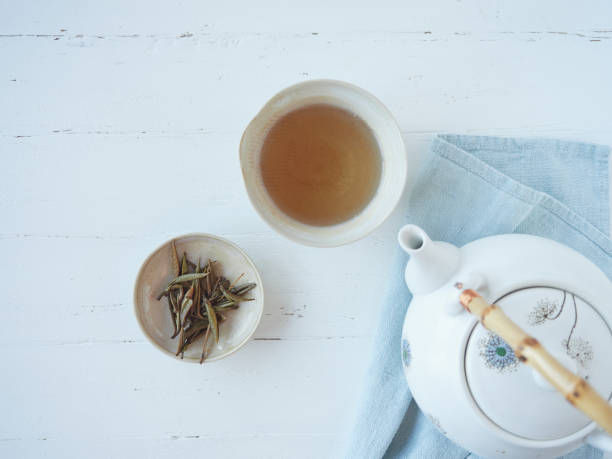
There is a specific kind of quietness that comes with brewing a cup of white tea. If black tea is a bold morning wake up call and green tea is a vibrant afternoon energy boost, white tea is like the soft light of a very early spring morning. It is the least processed of all tea varieties, and because of that, it carries a level of purity and delicacy that is hard to find anywhere else. For many people, white tea is the final frontier of their tea journey. It requires a bit more patience and a softer palate, but once you learn to appreciate its subtle charms, it becomes an indispensable part of your daily ritual.
When you look at a handful of high quality white tea leaves, you are seeing the plant in its most natural state. The leaves are often covered in a fine, silvery white down, which is where the tea gets its name. These are the youngest buds and leaves of the tea bush, plucked before they have even had a chance to fully open. It is a drink that feels fragile and precious, yet it carries a surprisingly deep well of wellness and flavor.
The Minimalist Magic of Processing
The beauty of white tea lies in how little we interfere with it. While other teas are rolled, bruised, or fermented to change their chemical makeup, white tea is simply withered and dried. As soon as the buds are plucked, they are laid out in the sun or in a controlled indoor environment to let the moisture gently evaporate.
Because there is no heat used to stop oxidation or rolling to break the cell walls, the leaves stay whole and intact. This minimalist approach preserves the natural antioxidants and the delicate amino acids of the plant. It also means that the flavor is not forced out of the leaf; instead, it is gently coaxed into your cup. This is why white tea often has a shimmering, pale yellow color and a taste that is frequently described as honey-like, floral, or reminiscent of fresh hay and stone fruit.
Exploring the Main Varieties
When you start looking for white tea leaves, you will likely come across two main types that define the category. The first is Silver Needle. This is considered the pinnacle of white tea because it consists only of the unopened buds of the plant. It is incredibly soft, sweet, and has a silky mouthfeel that is unlike any other beverage. It is a luxury experience that highlights the absolute purest essence of the tea bush.
The second common variety is White Peony. This includes a mix of the buds and the top two young leaves. Because it contains more leaf material, it has a slightly deeper color and a more robust, floral flavor compared to Silver Needle. It is often a great starting point for people moving from green tea into the world of white tea because it has a bit more body and a more accessible price point. Both varieties offer a clean and refreshing experience that feels like a reset button for your senses.
A Powerhouse for Your Well Being
Don't let the light color and delicate flavor fool you into thinking white tea is weak. Because the leaves are so young and undergo so little processing, they are incredibly high in polyphenols and catechins. These are the compounds that help our bodies fight off oxidative stress and keep our immune systems strong.
White tea is also famous for its benefits to the skin. Many people find that a regular habit of drinking these leaves helps maintain a clear and glowing complexion, likely due to the high concentration of antioxidants that protect against environmental damage. Moreover, like its cousins, white tea contains L-theanine, which promotes a state of calm and focused alertness. It is the perfect companion for a long afternoon of work where you need to stay sharp but want to avoid the jittery crash that can come with more aggressive stimulants. Shop now for a refreshing cup that supports your body as much as it delights your palate. When you choose leaves that have been handled with this level of care, you are giving yourself a daily dose of natural vitality that feels as good as it tastes.
The Gentle Science of the Perfect Steep
To get the best out of white tea leaves, you have to treat them with a lot of respect. The most common mistake people make is using boiling water. Because the buds are so young and delicate, boiling water will scorch them instantly, leading to a bitter and flat taste that completely hides the subtle floral notes.
Instead, aim for water that is around 175 degrees. If you don't have a thermometer, just let your kettle sit for about five minutes after it boils. You also want to give the tea plenty of time to release its flavor. While green tea is often done in two minutes, white tea usually needs closer to five minutes to reach its peak. Because the leaves are so high in quality, you can and should steep them multiple times. The second and third infusions often reveal a deeper sweetness that was hidden during the first pour. It is a slow and rewarding process that encourages you to stay in the moment.
Sustainability and Choosing Quality
Buying white tea leaves is also an opportunity to be more mindful about the environment. Because white tea requires the highest quality buds, it is often grown in smaller, more sustainable gardens rather than massive industrial plantations. Choosing loose leaf over tea bags is also a big win for the planet. Most tea bags contain microplastics or bleached papers that can leach into your drink and end up in a landfill.
By choosing whole leaves, you are getting a purer product and reducing your waste. You can also see exactly what you are drinking. When you see those beautiful, silver tipped buds unfurling in your teapot, you know you are consuming something that was grown with intention and care. It turns a simple habit into a meaningful connection with the natural world.
Conclusion
White tea leaves are a reminder that sometimes, less really is more. In a world that is often loud and overwhelming, a cup of white tea offers a moment of quiet and clarity. It is a celebration of the subtle, the delicate, and the pure. Whether you are drawn to the silky sweetness of a Silver Needle or the floral depth of a White Peony, you are participating in a tradition that honors the plant in its most honest form. It is a journey of flavor that rewards the patient drinker and provides a sense of calm that lingers long after the last sip. If you haven't yet explored this gentle side of the tea world, there is a beautiful and refreshing discovery waiting for you in every silver bud.
Frequently Asked Questions
Does white tea have caffeine? Yes, white tea does contain caffeine. In fact, because it is made from the youngest buds which are naturally higher in caffeine to protect the plant from insects, it can sometimes have as much as green tea. However, the experience is much smoother because of the high L-theanine content.
How should I store my white tea leaves? White tea is very sensitive to its environment. Store it in an airtight, opaque container in a cool and dark place. Because the leaves are so light and porous, they will quickly absorb odors from your kitchen, so keep them away from your spice rack or coffee.
Can I drink white tea if I have a sensitive stomach? Yes, many people find white tea to be the easiest variety on the stomach. Since it is not fermented like black tea or steamed as intensely as some green teas, it tends to be very gentle and alkaline.
Why is white tea often more expensive? The price reflects the labor and the rarity. Silver Needle can only be harvested for a few days each spring, and every single bud has to be plucked by hand. It takes thousands of buds to make just one pound of tea, which makes it a truly artisanal product.
What is the best time of day to drink white tea?
White tea is wonderful in the late morning or early afternoon. Its light and refreshing nature makes it a perfect palate cleanser after a meal, and its steady energy boost helps carry you through the mid day slump without interfering with your sleep later that night.


Comments