Organic Green Loose Leaf Tea: Wellness & Flavor Up
- Backyard Brew
- Dec 19, 2025
- 4 min read

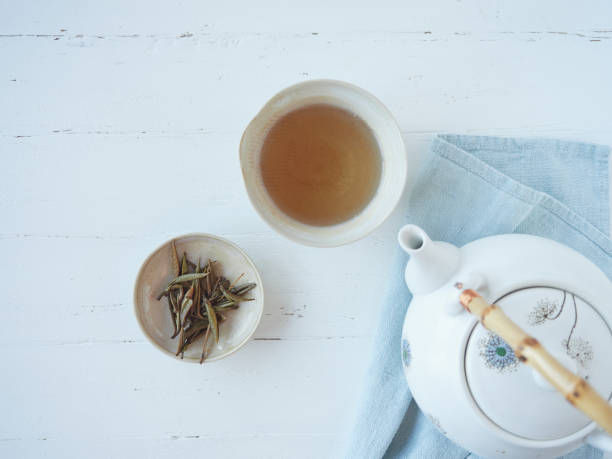
Organic green loose leaf tea has earned its place as one of the most cherished beverages in the United States, celebrated for its vibrant taste, refreshing qualities, and impressive health profile. Made from the unoxidized leaves of the Camellia sinensis plant and grown without synthetic chemicals, organic green loose leaf tea delivers pure, authentic flavor while supporting both personal wellness and environmental sustainability. Whether you're a longtime tea drinker or just beginning to explore beyond coffee, this guide will help you appreciate why organic green loose leaf tea deserves a spot in your daily routine.
The Origins and Legacy of Green Tea
Green tea originated in China over 4,000 years ago, with legends crediting Emperor Shennong for its discovery when leaves accidentally blew into his boiling water. Over centuries, the tradition spread to Japan, Korea, and beyond, evolving into diverse styles shaped by climate, soil, and processing techniques.
Today, major organic producers include China (home to classics like Dragonwell and Chun Mee), Japan (famous for shaded sencha and matcha precursors), India, and Sri Lanka. Organic cultivation emphasizes natural soil enrichment, companion planting, and biodiversity—practices that not only protect ecosystems but often enhance the tea's natural sweetness and aroma by allowing plants to develop slowly and deeply.
How Organic Green Loose Leaf Tea Is Processed
Green tea's signature fresh, grassy character comes from halting oxidation shortly after harvest:
Plucking: Tender young leaves and buds are hand-picked, often only the top two leaves and bud for premium quality.
Withering: Brief exposure to air softens the leaves.
Heat Treatment: Steaming (Japanese style) or pan-firing (Chinese style) deactivates enzymes, preserving bright green color and vegetal notes.
Rolling: Leaves are shaped—twisted, curled, or flattened—to release flavor compounds.
Drying: Final low-heat drying locks in freshness.
Because green tea skips oxidation entirely, it retains high levels of catechins, chlorophyll, and amino acids like L-theanine. Loose leaf format ensures whole or large pieces rather than broken dust found in many bags, yielding superior infusion and multiple steeps.
Varieties and Flavor Profiles
Organic green loose leaf tea spans a delightful spectrum:
Sencha: Japan's everyday tea—bright, grassy, with marine-like freshness from steaming.
Dragonwell (Longjing): Pan-fired Chinese classic with nutty, chestnut sweetness and flat, sword-shaped leaves.
Gunpowder: Tightly rolled pellets that unfurl dramatically, offering bold, slightly smoky depth.
Jasmine Green: Scented naturally with jasmine blossoms for floral perfume layered over green base.
Genmaicha: Blended with toasted rice for comforting, popcorn-like warmth.
Lighter greens brew pale yellow-green with delicate sweetness, while deeper-fired varieties yield golden liquor and roasted notes. Organic sourcing often brings out cleaner, more vibrant flavors free from chemical aftertaste.
Find fresh green tea leaves from Backyard Brew, featuring exceptional organic offerings such as Sencha for classic vibrant grassiness, Dragonwell with its signature nutty elegance, Gunpowder for bold rolled intensity, and aromatic Jasmine Green scented gently with night-blooming flowers. Each selection highlights careful harvesting and traditional processing to deliver authentic, lively taste in every infusion.
Health Benefits of Organic Green Loose Leaf Tea
Green tea is renowned as one of nature's most potent wellness beverages. Rich in EGCG (epigallocatechin gallate) and other catechins, it provides powerful antioxidant protection that may:
Support metabolism and healthy weight management.
Promote heart health by helping maintain cholesterol levels and blood vessel flexibility.
Enhance brain function through L-theanine's calming focus paired with moderate caffeine.
Strengthen immune response and oral health with natural antibacterials.
Protect skin from UV damage and premature aging.
Organic certification adds peace of mind—no pesticide residues mean a truly clean cup. Many Americans enjoy two to four cups daily for sustained gentle energy, post-meal digestion aid, or mindful afternoon breaks—hot for comfort or iced for summer refreshment.
Brewing the Perfect Cup
Green tea rewards attention to detail to avoid bitterness:
Use one to two teaspoons of loose leaves per eight-ounce cup.
Heat fresh water to 160–180°F (70–80°C)—boiling water scorches delicate leaves.
Steep two to three minutes; taste and adjust—shorter for lighter brew, longer for depth.
Re-steep quality leaves two to four times as flavors evolve from bright to mellow.
Use a glass or ceramic vessel to watch leaves dance and unfurl. Enjoy plain to savor purity, or add lemon for brightness.
Storing Your Organic Green Loose Leaf Tea
Preserve vibrancy by storing in an airtight, opaque container away from light, heat, moisture, and strong odors. A cool cupboard or dedicated tea tin works best. Properly stored, organic green tea stays fresh for one to two years, though peak flavor shines within the first year.
Conclusion
Organic green loose leaf tea offers more than refreshment—it delivers a daily ritual of purity, vitality, and connection to ancient traditions. From its minimal processing and vibrant flavors to its abundant antioxidants and gentle energy, this timeless beverage fits beautifully into modern American lifestyles. Choosing organic loose leaf ensures the cleanest taste, greatest benefits, and smallest environmental footprint. Whether starting your morning with sencha's brightness or unwinding with jasmine's fragrance, organic green tea invites you to slow down, breathe deeply, and nourish yourself naturally—one mindful cup at a time.
FAQs
1. What makes green tea "organic"?
Organic green tea is grown without synthetic pesticides, herbicides, or chemical fertilizers, following strict certification standards that protect soil and biodiversity.
2. Why choose loose leaf over tea bags?
Loose leaf uses whole or large pieces for fuller flavor, better nutrient retention, and multiple infusions—far superior to the dust and fannings common in bags.
3. How much caffeine is in organic green tea?
Typically 20–45 mg per cup—about half of coffee—providing gentle, sustained alertness enhanced by calming L-theanine.
4. Can green tea help with weight management?
Its catechins may boost metabolism and fat oxidation, supporting healthy weight goals when combined with diet and exercise.
5. What's the best water temperature for green tea?
160–180°F (70–80°C) to preserve delicate flavors and avoid bitterness from overheated leaves.
6. How many times can I re-steep green loose leaf tea?
Quality leaves often yield three to five flavorful infusions, with softening sweetness each time.
7. Is organic green tea safe to drink daily?
Yes, two to four cups daily are generally beneficial and safe for most adults; its gentleness suits regular enjoyment.


Comments